
 Tracy Jackson15 yrs in online marketing
Claude Pro vs Team Plan: Which is the best in 2026?
Table of Contents
Choosing the right AI tool can feel a bit like picking the perfect pair of shoes—there’s a lot to consider depending on where you’re going and how you’ll use them. When it comes to Claude’s AI plans, figuring out whether Claude Pro or the Team Plan fits your needs means looking beyond just features and price.
It’s about understanding how you work: solo with deep focus or as part of a group needing smooth collaboration. This guide breaks down what each plan offers, helping you see clearly which one matches your style before making the commitment or deciding to upgrade your existing plan through a subscription.
The Claude Pro plan is designed for individual professionals, offering enhanced usage limits, access to advanced AI models like Sonnet 4, real-time web search, and integration with Google Workspace, ideal for solo users requiring powerful coding and content generation capabilities. In contrast, the Team plan targets small to medium teams, providing all Pro features plus collaborative tools, centralized billing and user management, increased team-wide usage capacity, and early access to shared collaboration features to facilitate coordinated workflows across departments.

Comparing AI Services: Claude Pro vs Team Plan
Claude Pro is designed with the individual professional in mind. It gives us access to advanced AI capabilities like Sonnet 4, which means more powerful natural language understanding and generation. Its integration with Google Workspace is a game-changer for users who juggle research, writing, and coding all in one place.
This makes it especially suitable for solo workers or freelancers who need high usage limits without the complexity of managing multiple users and want the flexibility of a monthly subscription.
Moving from personal use to group productivity, the Team Plan builds upon those same core features but centers on collaboration. It adds tools that help teams work seamlessly together—shared workspaces, real-time editing, user roles, and centralized billing—so everyone stays aligned and productive under one umbrella.
This isn’t just about workload sharing; it’s about streamlining communication and maintaining security across departments. An upgrade to this plan can significantly enhance team efficiency.
We should also consider throughput needs. While Claude Pro offers generous token limits fitting for deep individual projects, the Team Plan increases these quotas substantially and supports higher API request rates.
For teams running intensive automated workflows or deploying multiple AI agents simultaneously, this can translate into smoother operations and faster delivery.
Beyond sheer capacity, administrative control is a key differentiator. The Team Plan provides detailed user role management, SSO integration, and audit logs.
Such features are vital for organizations where security compliance matters—think legal firms or financial institutions—but they add little value to a single user who prefers simplicity over layered permissions.
| Aspect | Claude Pro | Team Plan |
|---|---|---|
| Target User | Individual professionals | Small to large teams |
| Usage Limits | High (100k tokens context window) | Very high, scaled by team size |
| Collaboration Tools | Basic (shared folders/comments) | Advanced (real-time workspace sharing) |
| Admin Controls | Minimal | Extensive (roles, permissions, SSO) |
| Pricing | $20/user/month annual billing | $30/user/month annual billing |
| API Rate Limits | 60 requests/minute | 120 requests/minute |
| Priority Support | Yes | Dedicated SLA-backed support |
The cost is another practical consideration. For small teams of two or three members mainly requiring access to Claude’s advanced AI but not extensive collaboration, purchasing individual Claude Pro subscriptions may be more economical than the Team Plan—which requires a minimum five-user seat commitment plus higher per-user fees.
[QUOTE] “Choosing the right plan boils down to whether you need shared workflows and tighter control or powerful solo performance, and deciding whether to upgrade your subscription depends on your future needs.”
Hence, if our work demands smooth cooperation across multiple contributors with robust security requirements, the Team Plan emerges as the logical choice.
On the other hand, if we’re working independently or in very small groups where collaboration tools are less critical, Claude Pro delivers strong performance at a more affordable price point, making it a wise subscription choice for many professionals.
Grasping these distinctions sets the stage for a detailed evaluation of pricing structures and an in-depth cost analysis. This will illuminate how different needs translate into real-world dollars spent—and saved—to guide smarter investment decisions moving forward.
By integrating business analytics into this evaluation process, organizations can gain insights into spending patterns, which drive more informed and strategic decisions.
Pricing Structures and Cost Analysis

The Claude Pro plan offers a straightforward pricing model: it’s $17 per month when paid annually, or $20 if you prefer monthly billing.
This plan focuses on providing high usage limits without the costs spiraling out of control—ideal for independent users or solo developers who need robust AI capabilities without excess overhead.
With powerful analytics features, users can track usage and performance metrics, ensuring they derive maximum value from their subscription.
On the other hand, the Team Plan sets its price at $25 per user per month with annual billing—or $30 monthly—requiring a minimum of five users to join.
This plan incorporates not just access but also administrative tools designed to ease management across multiple users, giving organizations more control over usage and expenses.
Companies can harness business analytics within this plan to monitor team productivity and resource utilization effectively.
While the Team Plan might look pricier at first glance, it bundles features that can translate into real savings at scale. Centralized billing consolidates payment processes, reducing headaches for finance teams.
Moreover, team-wide usage limits mean you don’t have to worry about individual overages, and enhanced collaboration features can accelerate productivity across departments.
Conversely, if you’re a small outfit or an individual juggling multiple projects, purchasing several individual Pro subscriptions might actually be more cost-effective than committing to a Team Plan.
The flexibility of Pro plans allows you to tailor usage closely to your needs without extra administrative overhead.
| Plan Type | Monthly Cost (Annually) | Minimum Users | Core Benefits |
|---|---|---|---|
| Pro Plan | $17 | 1 | High usage limits, advanced models, personal use |
| Team Plan | $25 per user | 5 | Team-wide limits, collaboration tools, admin ease |
Choosing between these options ultimately depends on how many users will be involved and what level of administrative oversight your group requires. Now, turning our attention toward newer possibilities reveals how advanced features are shaping future workflows and capabilities.
Advanced Features and Capabilities

Both plans include powerful tools, but they are tailored to different kinds of users.
The Pro Plan stands out by providing access to high-end models like Sonnet 4, which introduces extended reasoning modes.
This means the model can process more complex queries and engage in deeper analysis before returning a response, making it ideal for users tackling challenging tasks that require nuance and precision.
Incorporating business analytics tools, users can analyze the efficiency and outcomes of these models, optimizing their application for various projects.
Alongside this, real-time web search integration allows the Pro Plan user to draw from the latest information on the internet—something especially useful when working with time-sensitive or rapidly evolving content.
This combination of enhanced reasoning and up-to-date data turns the Pro Plan into more than a typical language assistant; it becomes a dynamic research ally.
Whether you’re developing a technical report or brainstorming creative ideas, these features offer both depth and currency in your work. It also supports extended token limits for longer document generation or more intricate multi-turn conversations, ensuring we don’t have to sacrifice detail for brevity.
The Team Plan is designed as an ecosystem centered around group productivity and seamless collaboration.
Unique Features in Team Plan
It offers centralized user management tools that let team leaders control access, monitor usage, and enforce organizational policies from a single dashboard.
This simplifies onboarding new members and managing billing, which is crucial when scaling AI adoption across departments. Utilizing business analytics within this plan empowers organizations to refine workflows and optimize collaborative efforts.
Furthermore, the Team Plan gives early access to shared collaboration features—tools that allow multiple team members to co-create or review projects within one interface efficiently.
These capabilities significantly reduce friction when working on joint assignments or integrating feedback cycles, enhancing scalability and accommodating evolving project demands.
The plan also dramatically increases usage limits across all team members, providing flexibility for heavy workloads without sudden interruptions due to throttled quotas. This adaptability ensures scalability in resource allocation, allowing teams to grow and adapt seamlessly.
Therefore, determining which plan serves us best depends largely on whether our priority lies in unlocking advanced individual capabilities or fostering robust team collaboration frameworks that can scale efficiently with our needs.
If our main focus is expert-level AI assistance with cutting-edge reasoning ability and continuous access to fresh data streams, the Pro Plan suits individual power users perfectly, providing seamless scalability in personal productivity.
But when aligning AI with collective workflows—managing diverse roles, syncing efforts across teams, and maintaining governance—the Team Plan’s specialized features become indispensable, offering the scalability necessary for accommodating team growth and changing dynamics.
To choose wisely, assess not only current needs but also anticipated growth: Are we looking to supercharge personal productivity with sophisticated AI? Or do we need a scalable platform supporting multiple stakeholders working together harmoniously?
Understanding these nuances ensures our investment delivers maximum value aligned with how we operate, considering both current functionality and future scalability.
With these considerations in mind, we now shift focus to explore the varying levels of service performance that support these plans, highlighting how responsiveness and reliability factor into overall user experience, and the scalability of these features in meeting growing demands.
When we look closely at the service performance levels provided by Claude Pro and the Team Plan, it’s clear both are built to deliver strong, dependable performance—but they target different usage patterns, offering scalability that matches their intended user base.
Service Performance Levels

Claude Pro focuses on giving individual users a high-throughput experience, arming them with speed and responsiveness ideal for intensive solo work or paired efforts.
It’s like having a finely tuned sports car ready to sprint whenever you need it: lightning-fast interactions, with priority support during busy periods, designed to keep your flow uninterrupted and scalable to personal performance peaks.
But when our workflow stretches across multiple contributors—say, from 2 up to 10 developers working in tandem—the landscape changes. That’s where the Team Plan shines, providing the scalability required for collaborative environments.
While its throughput per user is balanced to serve the whole group efficiently rather than pushing maximum capacity for individuals, it excels at distributing resources, so everyone can stay productive without running into bottlenecks, ensuring a scalable, harmonious workflow.
This balance isn’t just about raw power; it’s about orchestrating usage so that one heavy user doesn’t starve others of bandwidth or response speed, maintaining the scalability needed for dynamic team engagements.
Another perk exclusive to the Team Plan is centralized support tailored for collaborative teams.
Instead of each person navigating separate help channels or account settings, administrators and team members benefit from streamlined access to tools and early feature rollouts meant specifically for coordinated projects, which enhances scalability across various collaborative initiatives.
In essence, it anticipates the realities of managing multiple linked users who rely on seamless teamwork over isolated bursts of activity, ensuring that scalability is at the forefront of team strategies.
Choosing between these plans often boils down to understanding our usage patterns and the scalability requirements:
| Feature | Claude Pro | Team Plan |
|---|---|---|
| Throughput | High throughput for individual productivity | Balanced throughput distributed across users |
| Research Tools | Advanced tools for deep technical tasks | Early access to new features driving innovation |
| Support | Priority support during peak demand | Centralized customer support for teams |
| Billing & Access | Individual billing and control | Centralized billing, seat governance, SSO/domain |
If working alone or in pairs with the need for minimal disruption and rapid delivery, Claude Pro fits economically and effectively, offering scalability optimized for individual efficiency.
However, if working within a small team needing synchronized workflows and easier billing/access controls, the Team Plan adds value despite a higher cost, providing the necessary scalability for collaborative growth.
From operational experience, heavy individual workloads risk hitting saturation faster on Pro seats during intense coding sprints, highlighting the need for scalable solutions tailored to distinct usage scenarios.
Upgrading select team members to higher tiers within the Team Plan framework preserves smooth delivery without paying for full-team upgrades.
It’s a tactical strategy aligning cost efficiency with reliability.
With clarity on how these two plans stack up in features and pricing, we can now consider the next critical aspect—how access options and support mechanisms enhance your overall experience using Claude’s offerings.
Claude Pro caters primarily to individuals who value priority response times and seamless service during busy periods. Even when many users are active, those on the Pro plan benefit from quicker access to assistance, which can be crucial when deadlines loom or problems interrupt workflow.
However, Pro’s support is tailored for solo users, emphasizing speed and direct help rather than collaborative management.
In contrast, the Team Plan shifts focus towards collective efficiency by offering a more comprehensive and integrated support infrastructure designed to suit groups working closely together.
Access and Support Options

Teams need more than just quick replies—they require streamlined processes that reduce friction across multiple users. For instance, centralized billing and user management empower organizations to handle subscriptions in one place without the hassle of individual payments or oversight gaps.
Role-based permissions further enhance this by allowing administrators to assign appropriate levels of access, ensuring team members can use powerful tools securely and efficiently without manual gatekeeping.
Team-Centric Support
Early access to collaborative features is another significant advantage. When teams receive new functionality simultaneously, it fosters cohesion in adopting and integrating these tools into daily operations.
Having everyone on the same page eliminates learning fragmentation and supports consistent productivity.
Many teams report that this approach simplifies support interactions. Instead of disjointed individual requests, centralized workflows mean support tickets can be tracked collectively, assigned properly within the organization, and resolved faster with full context available.
This consistency reduces downtime and frustration while enhancing overall project momentum.
For organizations where multiple contributors depend on dependable AI assistance daily, investing in a plan with robust team-centric support is fundamental for sustained efficiency and smooth collaboration.
While individual users benefit from responsive personal support, groups unlock a deeper layer of operational harmony through these carefully designed access and service structures.
Understanding how these differing support models play out helps frame decisions about which plan aligns best with your needs as we turn to evaluating specific features and pricing details next.
Deciding between Claude Pro and the Team Plan hinges primarily on how we intend to use AI capabilities in our work or organization.
The Pro Plan is tailored to individuals who prioritize advanced features, faster responses, and robust privacy controls—making it a strong choice for freelancers, solo professionals, or those who value personal customization and uninterrupted workflow.
Understanding how these differing support models play out helps frame decisions about which plan aligns best with your needs as we turn to evaluating specific features and pricing details next.
Choosing the Right Plan for You

Deciding between Claude Pro and the Team Plan hinges primarily on how *we* intend to use AI capabilities in our work or organization.
The Pro Plan is tailored to individuals who prioritize advanced features, faster responses, and robust privacy controls—making it a strong choice for freelancers, solo professionals, or those who value personal customization and uninterrupted workflow.
Beyond its affordable $20 monthly tag (billed monthly) and priority support, this plan offers us unlimited chat history and access to higher-tier AI models that fuel intricate coding, writing, or research tasks.
On the other hand, when collaboration becomes central—say we’re part of a startup or a small team managing projects across departments—the Team Plan’s strengths emerge.
Priced at roughly $15 per user monthly (with discounts for annual commitments), it facilitates shared workspaces and collaborative threads that allow us to brainstorm, edit, and streamline AI-driven outputs collectively.
Even though it doesn’t include all the premium perks of the Pro Plan by default, the centralized management of users and billing means less administrative hassle as we scale.
Moreover, considering the anticipated size of our group is essential. If our team is small—say three members—buying multiple Pro Plan licenses might sometimes be more cost-effective than subscribing to a Team Plan requiring five minimum users.
Conversely, if we expect to grow or need seamless integration with tools like Slack or Microsoft Teams, the Team Plan’s shared infrastructure becomes compelling.
Equally important is reflecting on how much collaboration we realistically need. Are we frequently co-editing content? Do we require synchronized workflows? If yes, then the Team Plan provides undeniable benefits.
Another critical factor is *usage intensity.* Suppose our daily workflow demands complex queries handled swiftly with extensive API calls; in that case, the Pro Plan offers higher rate limits and dedicated priority support that cannot be lightly dismissed.
Yet if our usage patterns are moderate but spread across several team members who benefit from collective input, accepting a slightly leaner feature set but enhanced cooperative tools makes sense.
Understanding these distinctions brings us closer to not just choosing a product but empowering ourselves with AI tools that complement how *we* work every day.
Choosing between Claude Pro and the Team Plan ultimately depends on your specific needs—whether it’s individual power or collaborative convenience.
Making an informed choice empowers you to harness AI effectively in ways that truly enhance your productivity.

Recent Posts
Monday.com Review 2026: Is It Still the Best Work OS?
I tested Monday.com against ClickUp, Asana, and Wr...
Updated July 27, 2026

AI Writing Software for Blogging in 2026: Best Tools + How to Stay AI-Search Vis...
The best AI writing software for blogging in 2026 ...
Updated July 20, 2026
HubSpot Review 2026: Is It Worth the Cost?
I tested HubSpot’s free CRM, Starter, and Pr...
Updated July 20, 2026
Teamwork.com Review 2026: Is It the Best PM Tool for Client Work?
I tested Teamwork.com for agency and client projec...
Updated May 29, 2026
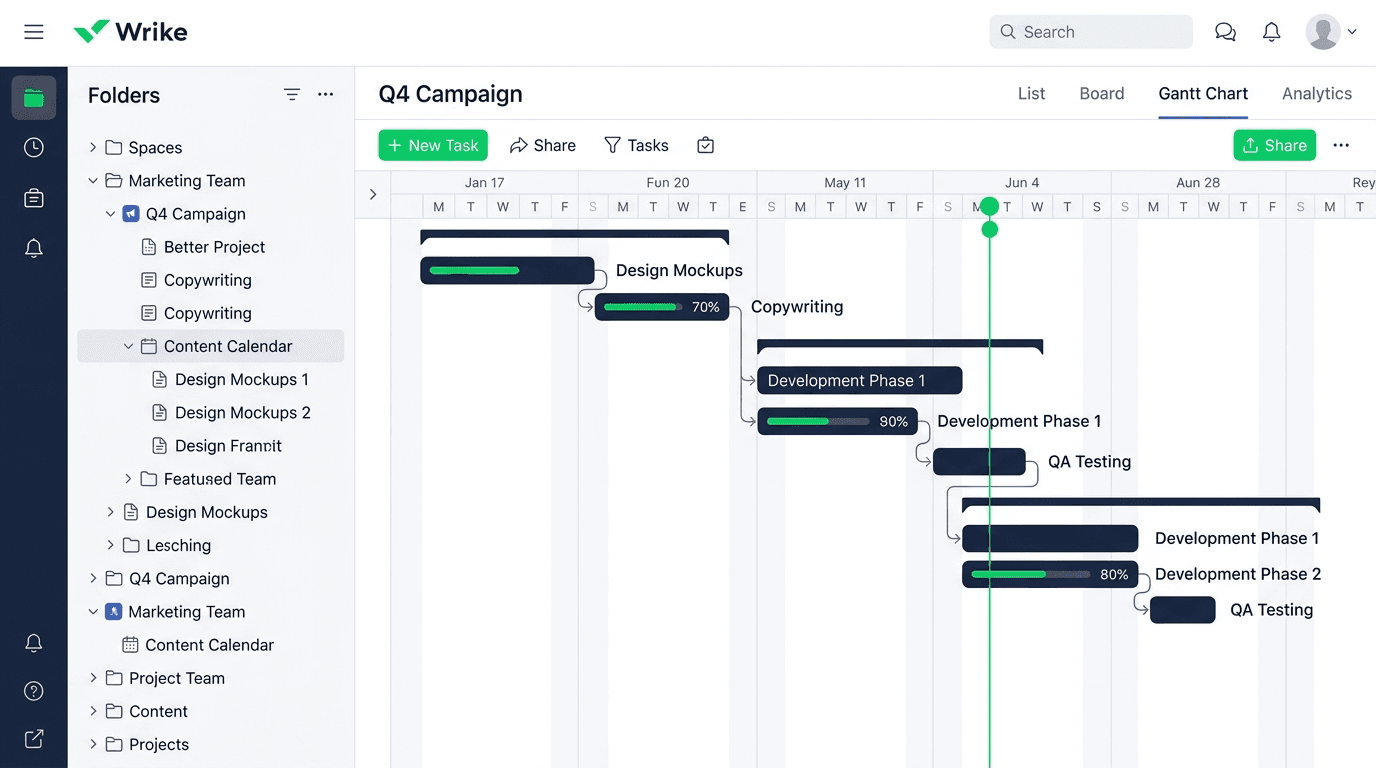
Wrike Review 2026: Is It Worth the Cost?
I tested Wrike in real enterprise workflows. Here&...
Updated May 29, 2026
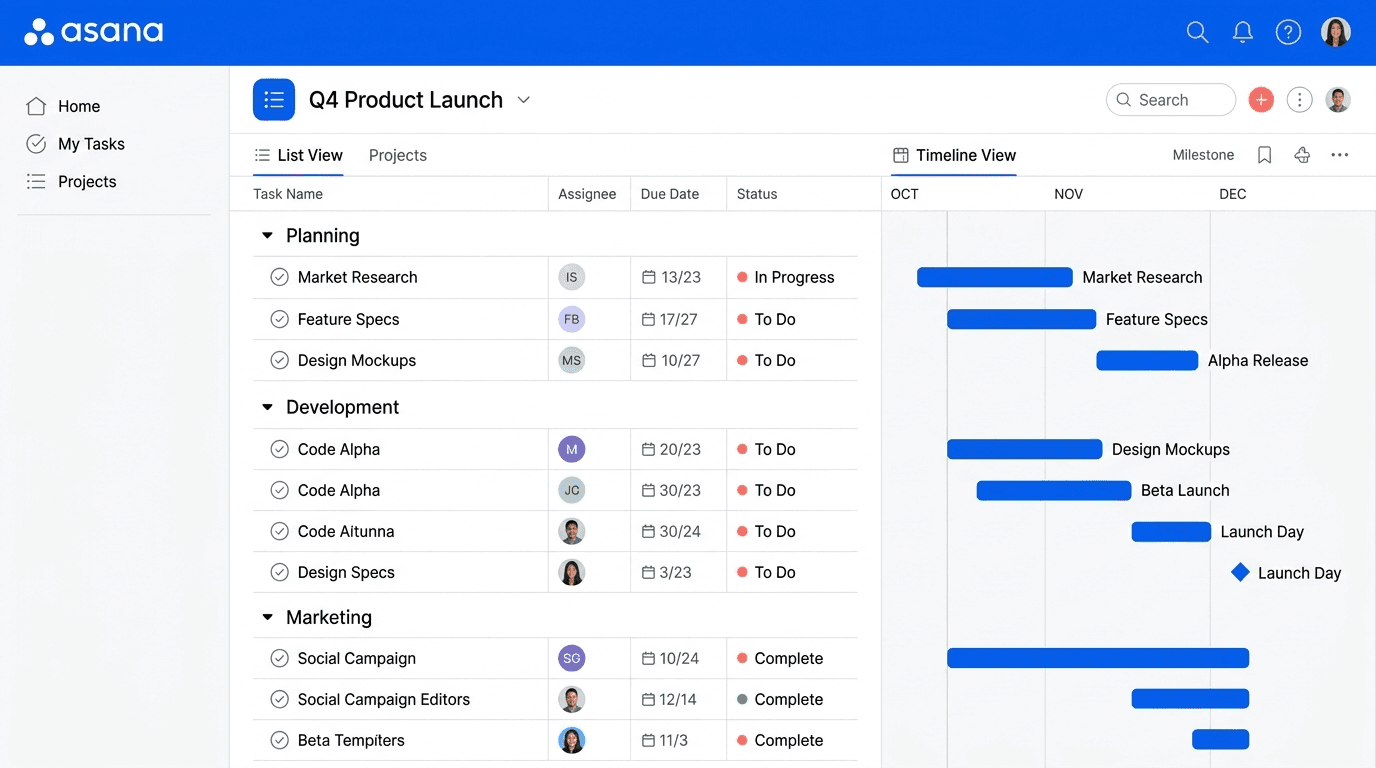
Asana Review 2026: Is It Worth It? (Honest, In-Depth Analysis)
I tested Asana across real team workflows. Here...
Updated May 29, 2026
Newsletter
Don't miss a thing!
Sign up to receive daily news